
Elevator installation is a highly technical process that plays a major role in the safety, efficiency, and comfort of a building. A well-installed elevator ensures smooth vertical movement, reduces long-term maintenance costs, and enhances the overall value of the property. At MetLift, elevator installation is approached as a complete system solution that integrates seamlessly with other building services such as electrical, safety, and interior works.
The installation process begins with a detailed site inspection and planning phase. During this stage, our technical team evaluates shaft dimensions, pit depth, overhead clearance, load capacity, and power supply availability. This assessment helps us identify potential challenges early and plan the installation without delays. Proper planning also ensures that the elevator complies with safety regulations and building standards.
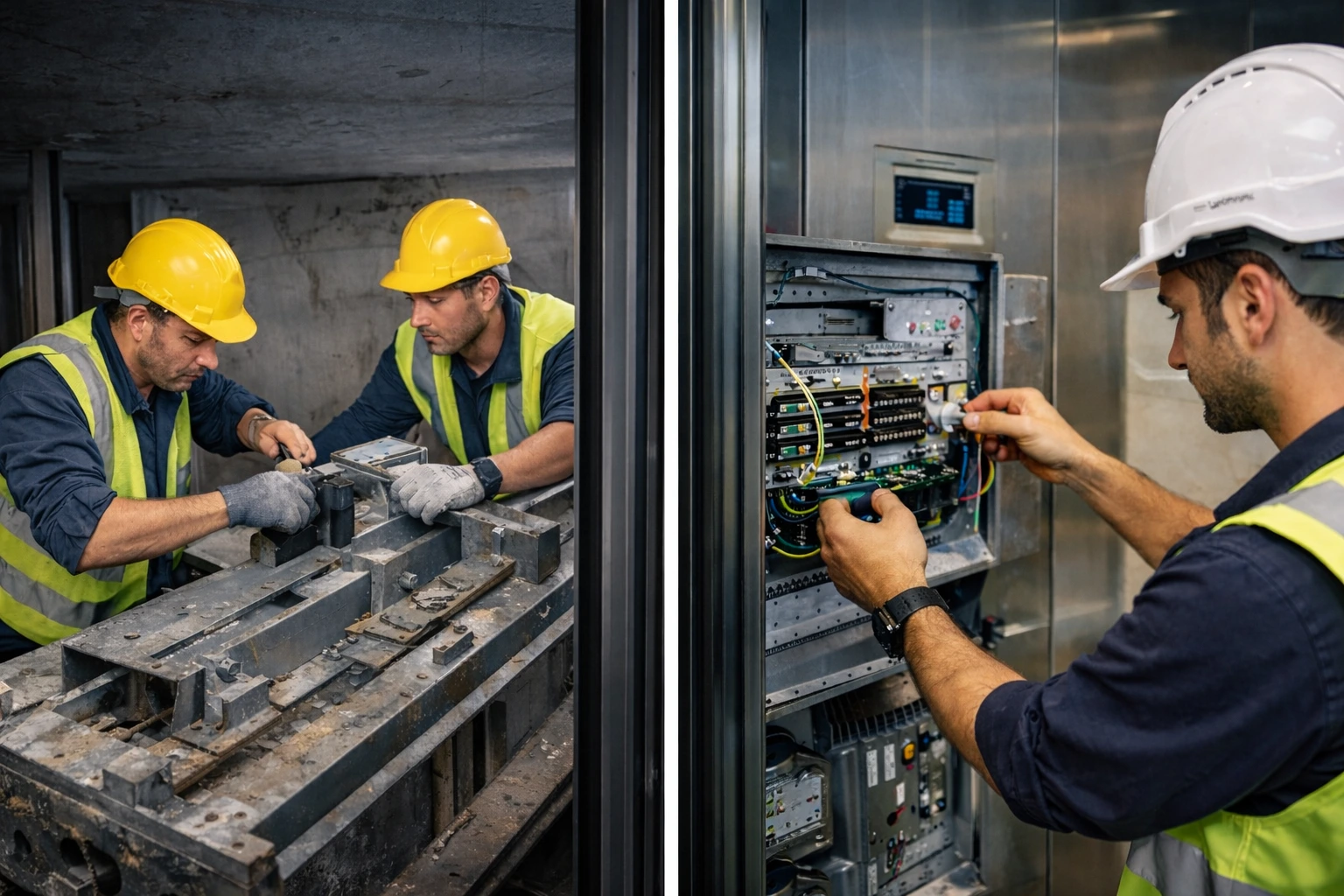
Once planning is complete, the mechanical installation phase begins. This includes the installation of guide rails, motors, cabin frames, counterweights, and suspension systems. Precision alignment is critical at this stage to ensure smooth and noise-free operation. After mechanical works, electrical wiring and control systems are installed, including control panels, landing buttons, safety sensors, and emergency communication systems.
Key Installation Stages
Detailed site inspection and technical planning
Elevator design and system finalization
Mechanical and structural installation
Electrical wiring and control system integration
Final testing, commissioning, and handover
“We have been working with molybdenum, tungsten, tantalum, and niobium for more than 100 years. These metals are not always that easy.”BILLI REUSS