October 23, 2026Uncategorized0 Comments
Elevators are an essential part of modern residential, commercial, and industrial buildings. They provide convenient vertical transportation, improve accessibility, and support the smooth movement of people between floors. However, like any mechanical system, elevators require regular maintenance to operate safely, efficiently, and reliably.
Regular elevator maintenance helps identify potential problems early, reduces unexpected breakdowns, and supports the long-term performance of elevator systems. At Metlift, we understand the importance of dependable elevator solutions and the role that proper maintenance plays in maintaining building safety and passenger comfort.
In this article, we explore the major benefits of regular elevator maintenance and why it is an important investment for every building owner and property manager.
1. Improves Passenger Safety
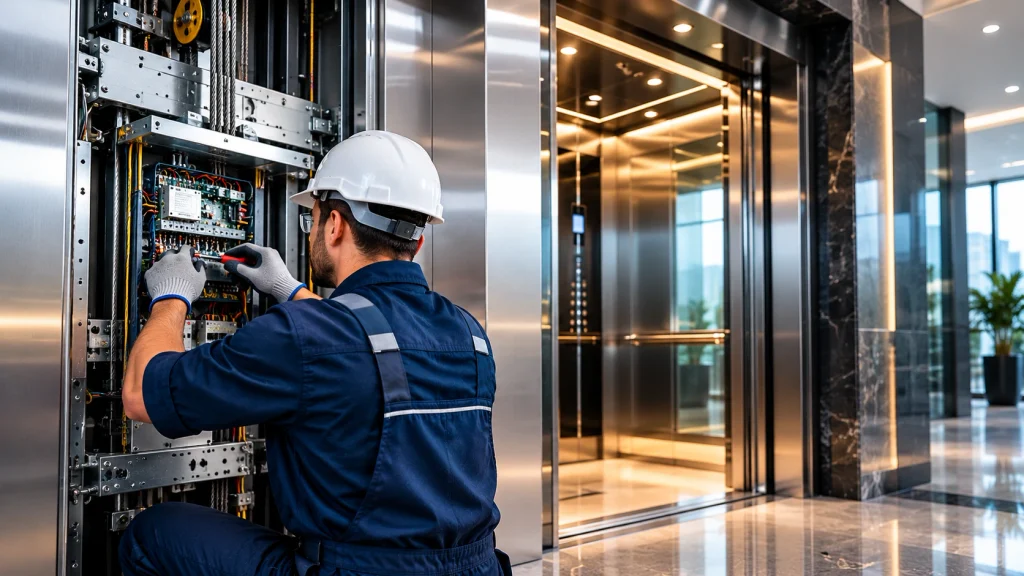
Passenger safety is one of the most important reasons to schedule regular elevator maintenance. Elevators contain several mechanical, electrical, and electronic components that must work together correctly to ensure safe operation.
Routine inspections help technicians identify worn components, unusual noises, door malfunctions, and other potential issues before they become more serious. Safety-related components, including door sensors, interlocks, brakes, and emergency communication systems, should be checked according to the manufacturer’s recommendations and applicable safety requirements.
By prioritizing regular maintenance, building owners can help create a safer and more comfortable experience for passengers.
2. Reduces Unexpected Breakdowns
An elevator breakdown can disrupt daily activities in residential buildings, offices, shopping centres, hotels, and other commercial properties. Unexpected downtime can also cause inconvenience for residents, employees, visitors, and people who depend on elevators for accessibility.
Preventive maintenance helps technicians identify developing faults before they lead to major equipment failures. Regular inspections, adjustments, lubrication, and component checks can reduce the likelihood of avoidable interruptions.
A planned maintenance schedule also helps property managers arrange servicing at convenient times and minimize disruption to building operations.
3. Extends Elevator Lifespan
Elevators represent a significant investment for any building. Maintaining the equipment properly helps protect that investment and supports its long-term performance.
Over time, components such as door mechanisms, guide systems, motors, and control equipment may experience wear due to regular use. Routine maintenance helps identify deterioration, maintain suitable operating conditions, and determine when repairs or component replacements are necessary.
With appropriate care, building owners can reduce unnecessary strain on elevator components and help extend the useful service life of the system.
4. Improves Elevator Performance and Reliability
Passengers expect elevators to operate smoothly, stop accurately at each floor, and open and close their doors correctly. Poor maintenance can contribute to unusual noises, inconsistent levelling, slow operation, and frequent service interruptions.
Regular maintenance allows technicians to inspect operating components, check system settings, and address performance-related issues. These measures help maintain smooth movement and dependable operation.
Reliable elevator performance is particularly important in busy buildings where elevators are used frequently throughout the day.
5. Helps Control Repair and Operating Costs
Ignoring minor elevator issues can allow them to develop into more serious problems that require extensive repairs or component replacements. Emergency repairs may also lead to unexpected expenses and prolonged downtime.
Preventive maintenance helps identify issues at an earlier stage, allowing building owners to plan repairs and manage maintenance budgets more effectively.
Although regular servicing involves ongoing costs, it can help reduce avoidable breakdowns and support more predictable maintenance planning over time.
6. Supports Compliance with Safety Requirements
Elevators must be maintained in accordance with applicable regulations, technical standards, and manufacturer requirements. The specific requirements may vary depending on the building, elevator type, and local authority.
Regular inspections and proper maintenance records help building owners and facility managers monitor the condition of their elevator systems and manage required servicing.
Working with qualified elevator service professionals can help ensure that maintenance activities are carried out appropriately and that safety-related concerns are addressed without unnecessary delay.
7. Enhances Passenger Comfort and Confidence
A well-maintained elevator provides a more comfortable experience for everyone who uses it. Smooth operation, properly functioning doors, accurate floor levelling, and reliable controls all contribute to passenger confidence.
Regular servicing can also help identify problems that cause unusual vibration, noise, or inconsistent operation. Addressing these issues supports a more pleasant environment for residents, employees, customers, and visitors.
In commercial buildings, dependable elevators also contribute to a professional impression and a better overall visitor experience.
8. Helps Maintain Building Accessibility
Elevators are essential for people with mobility limitations, older adults, families with young children, and individuals transporting goods or equipment between floors.
Unexpected elevator downtime can create significant accessibility challenges, especially in multi-storey buildings. Regular maintenance helps reduce the risk of service interruptions and supports dependable access throughout the property.
Building managers should also ensure that accessible controls, door operation, floor levelling, and relevant safety features are maintained appropriately.
Why Choose Metlift for Elevator Maintenance?
Metlift provides elevator solutions focused on safety, reliable operation, and modern building requirements. Our services include elevator installation, modernization, testing and commissioning, cabin interior and exterior enhancements, maintenance, repairs, accessories, and smart access and control systems.
We understand that every building has different operational needs. Our approach focuses on suitable technical solutions, dependable service, and maintaining elevator performance to support passenger comfort and building operations.
Whether you manage a residential property, commercial facility, or multi-storey development, regular elevator maintenance is an important part of protecting your equipment and supporting the people who rely on it.