
June 9, 2022Uncategorized0 Comments
Testing and commissioning are critical steps in ensuring elevator safety and reliability. Even the most advanced elevator system must undergo proper testing before being opened for public use. At MetLift, testing and commissioning are carried out with strict attention to safety standards and performance benchmarks.
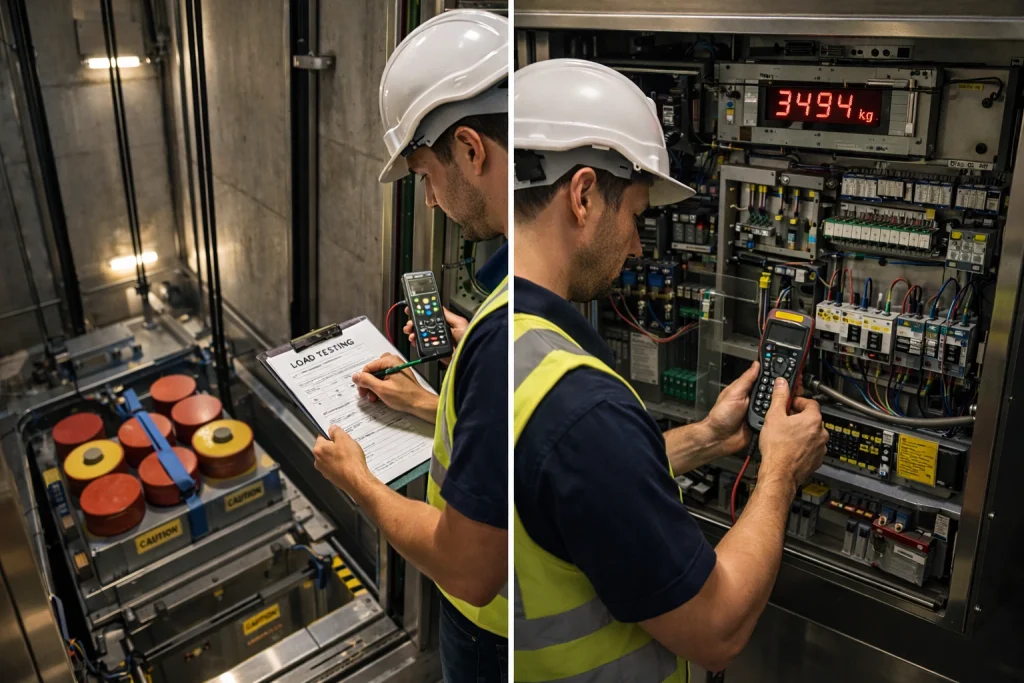
During commissioning, elevators are tested under real operating conditions. Load testing ensures the elevator can safely carry its rated capacity, while speed and leveling tests confirm smooth and accurate stopping at each floor. Door safety sensors are checked to prevent accidental closures and passenger injuries.
Emergency systems such as brakes, alarms, backup power response, and communication devices are also thoroughly tested. Control panels and display systems are verified for accuracy and responsiveness. These checks help reduce breakdown risks and extend the lifespan of the elevator.
Professional testing and commissioning ensure that elevators operate safely, comply with regulations, and deliver a smooth user experience from day one.
Commissioning Checks
Load capacity and speed testing
Emergency brake and safety system verification
Door sensor and closing mechanism checks
Control panel and indicator accuracy
Ride comfort and floor leveling
“We have been working with molybdenum, tungsten, tantalum, and niobium for more than 100 years. These metals are not always that easy.”BILLI REUSS